A prime lens has one focal length, so you walk closer or farther away to change the framing. A zoom lens covers a range of focal lengths, so you turn a ring to change the framing while you stand still. Focal length, measured in millimeters, sets how much of the scene fits in the frame.
Both are good tools. Choose a prime when you want a wider aperture and a smaller lens for one kind of photo. Choose a zoom when you need to change framing quickly or can't move around much.
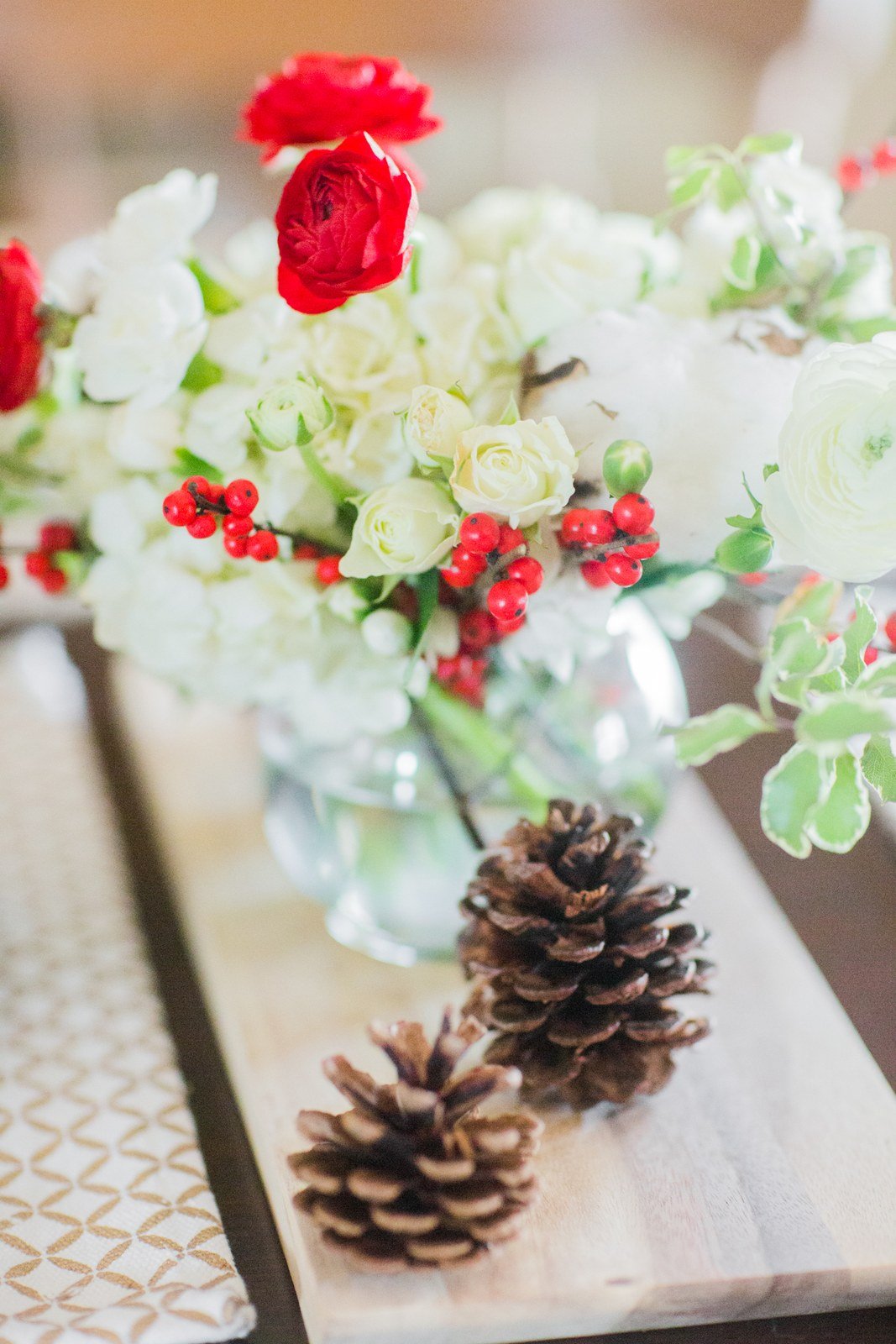
This table photo was made with an 85mm prime lens.
Read the lens name first
The name tells you which kind of lens you're looking at. One number, such as 50mm, means a prime. A range, such as 18 to 55mm, means a zoom. Canon's guide to prime and zoom lenses uses the same simple check.
The name also shows the maximum aperture, which is the widest opening the lens can make. A smaller f-number, such as f/1.8, means a wider opening. That lets in more light and can blur the background more. A zoom may show two f-numbers, such as f/3.5 to 6.3. That means the widest opening gets smaller as you zoom in.
What a prime gives you
Primes are simpler inside, so even lower-cost ones often open to f/1.8. That helps when you photograph people indoors near a window or in the evening. It also gives you more background blur when you stand close to your subject.
A prime is often smaller and lighter than a zoom of the same class, though Canon notes that size depends on more than focal length. A very wide aperture can make a prime large too.
The bigger change is how you work. With a prime, your feet do the zooming. You step in for a closer portrait and step back for a full-length one. That can slow you down in a useful way, because each step makes you look at the background again.
Jordan prefers prime lenses for her own work, and her first-lens lesson recommends a 50mm prime as a versatile choice. The 50mm and 85mm portrait lesson shows how your distance changes a portrait when you work with fixed focal lengths.
What a zoom gives you
A zoom lets you go from a wide photo of a room to a closer photo of one person without changing lenses. That matters in small spaces, at events where you can't walk around freely, and when things happen fast.
A kit zoom, the lens often sold with a camera body, is a sound place to start. One lens lets you try many focal lengths and learn which ones you like before you buy anything else. The first camera lens lesson walks through that choice in more detail.
The tradeoffs are usually weight and light. Zooms that keep a wide aperture through the whole range tend to be larger and cost more. Lighter zooms usually have a variable aperture, so they let in less light at the long end.
Match the lens to where you shoot
Think about your usual places and subjects before you look at lenses. Ask yourself three questions:
- Can I move? In a park, you can step back. In a small kitchen or a crowded room, a zoom may help more.
- How much light is there? Indoors without much window light, a wider aperture gives you more room to keep shutter speed and ISO sensible.
- How fast does it change? A child's birthday party moves quickly. A planned portrait gives you time to walk into place.
There's no single answer here. Some photographers carry one prime all day. Others keep a zoom for busy moments and a prime for portraits.
Check fit before you buy
Read the lens specifications and your camera manual. Check the lens mount, and check whether the lens is made for a full-frame or a smaller APS-C sensor. On a smaller sensor, the same focal length shows a narrower view, so a 50mm frames tighter than it does on full frame. Canon's guide gives its APS-C cameras as an example, where a 50mm works like an 80mm.
If you aren't sure, rent the lens for a weekend first. Jordan suggests renting before you buy, and it lets you test the lens in the places you shoot most.
Practice: find the focal length you already use
- Pick 30 photos you like that you took with a zoom lens.
- Look at the focal length in each file's information. In Lightroom Classic, the Metadata panel shows it.
- Write each number down and look for a group, such as many photos near 35mm or near 50mm.
- Set your zoom to that number and shoot for a day without turning the zoom ring.
At the end of the day, check two things. Did you miss photos because you couldn't get wider or closer? And did walking to frame the shot help you see the scene differently? That tells you whether a prime at that length fits the way you work.
Questions about prime and zoom lenses
Is a prime always sharper than a zoom?
Not always. Zooms are harder to design for every focal length, but many are very good. Compare the actual lenses and test them on your camera.
Can I learn photography with only a kit zoom?
Yes. A kit zoom teaches you how focal length changes a photo, and that knowledge helps you choose a prime later.
Which focal length should my first prime be?
Start with the focal length you already use most. Jordan recommends a 50mm, and your own photos can tell you whether a nearby length fits you better.