To take a window light portrait, seat the person a few steps from a large window that has no direct sun coming through it. Turn their face toward the window or a little to the side. Set your exposure for the face, not for the bright window.
A window works a lot like a big, soft studio light. The same few choices control the result every time: which window you use, how far away the person sits, which way they face and how you expose.
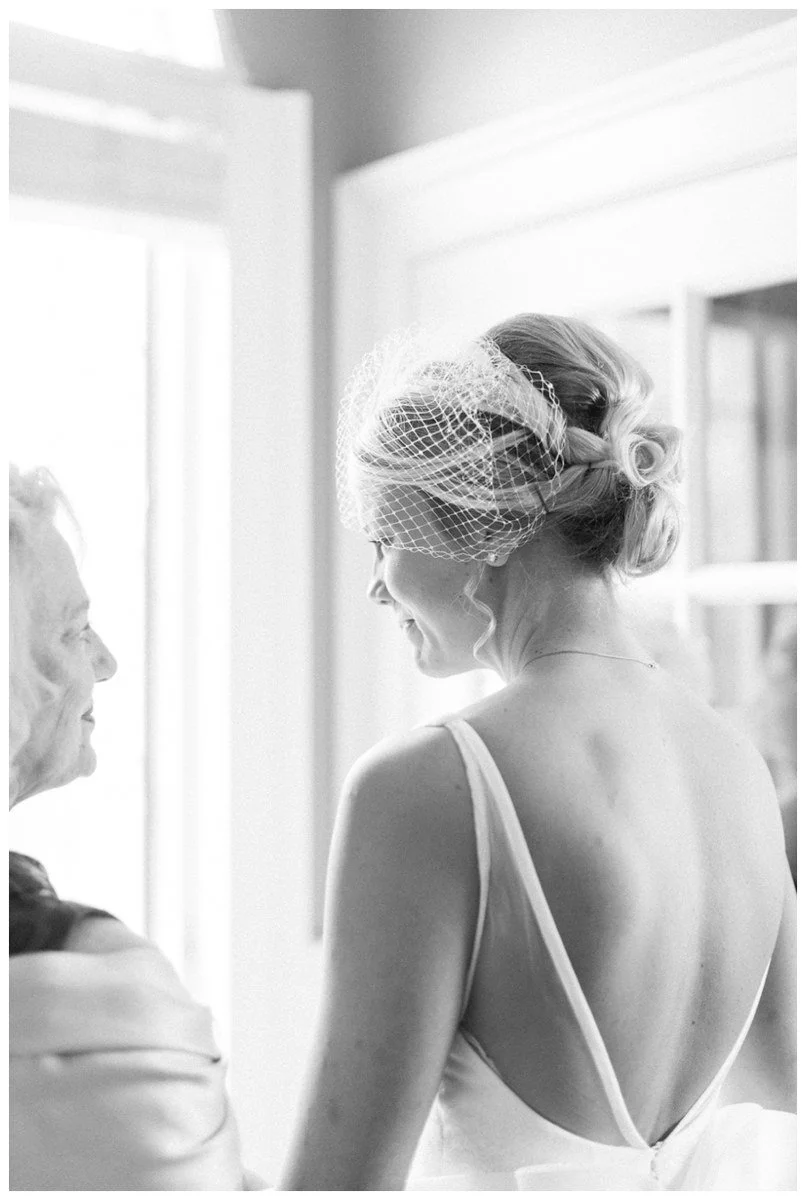
Notice how the window lights the subject from one side.
Choose the window
A larger window gives softer light, with gentle edges between the bright and shadow sides of the face. A small window gives a sharper, more dramatic change from light to shadow.
Check for direct sun. A patch of sunlight on the floor or on the person means hard light with crisp shadows. You can wait until the sun moves, use a different window or hang a sheer white curtain to soften it. Canon's guide to making the most of available light suggests moving people closer to a window, turning off indoor lights and trying drapes or netting to diffuse the light.
Turning off the lamps matters for color too. Warm bulbs and cool daylight together can leave one side of the face orange and the other blue.
Set the distance from the window
The closer the person sits to the window, the brighter the light on their face and the darker the far side looks next to it. Move them a few steps back and the light gets dimmer and more even across the face.
Try two distances before you settle. Look at the shadow side of the face each time. Do you want a strong shadow, or a softer one?
Turn the face toward the light
With one window, the safest start is to light the side of the face that faces your camera. Jordan's window light portrait lesson gives a clear rule for a room with one window: have the person face the window or turn to the side, and photograph the brighter side of the face. Don't shoot into that single window if you want a bright, clean portrait.
You can stand between the person and the window, or beside the window, so the light falls on the face you see. Ask for small turns of the chin and watch how the shadow beside the nose changes. Our light direction lesson compares front, side and back light in more detail.
Expose for the face
A bright window can fool your camera's meter, the part that measures light and suggests settings. It may darken the whole photo to protect the glass, and the face ends up too dark.
Set exposure so the skin looks the way you want. Then check the bright parts, like a white shirt or a pale wall near the window. Jordan's lesson warns against losing detail in the whites, so look at the histogram, the graph of dark and bright tones, to see whether those areas still hold detail. If the window itself turns pure white in the background, decide whether you like that look or want to frame the window out.
Fill the shadow side
If the far side of the face is darker than you want, bounce light into it. A white reflector, a white sheet or a pale wall opposite the window all work. Our reflector lesson shows how to angle it and how far away to hold it.
If the window has to be behind the person, the face needs light from somewhere else. That can be a second window, a reflector in front of them or a bright wall behind you. Jordan's lesson also suggests closing the aperture a little, to around f/2.5 or f/2.8, when strong light comes from behind, so the edges of the hair keep their detail. Try both apertures and compare the edges.
Practice with three turns
- Seat a person a few steps from a large window with no direct sun.
- Take a photo with them facing the window and you standing near the glass.
- Ask them to turn partway toward you. Take a photo.
- Ask them to turn so the window is fully to one side. Take a photo.
- Repeat the side photo with a white reflector on the shadow side.
Compare the four photos. Look at the catchlights, the small reflections of the window in the eyes. Look at the shadow beside the nose and the detail in the brightest skin. Choose the one that shows the person the way you want, then try it again at a second distance.
Questions about window light portraits
What time of day is best?
Any time the window is out of direct sun can work. Check the light on the floor. If you see a hard patch of sunlight, wait, soften it or choose another window.
Do I need a big window?
No. A small window still works. It gives harder, more directional light, so you may want a reflector to soften the shadow side.
Why does the skin look orange or blue?
Mixed light is the usual cause. Turn off room lamps first. If you still see a cast, our white balance lesson shows how to adjust it in Lightroom Classic.